
How Do Solar Panels Work?
What Are Solar Panels?
Solar panels, or photovoltaic (PV) panels, are devices that convert light from the sun into electricity. They're made up of many smaller units called solar cells, usually made from layers of silicon. These cells work together to absorb sunlight and generate an electric current.
It’s important to note that solar PV panels are different from solar thermal panels. PV panels generate electricity, while thermal systems heat water. At McGuinness Renewables, we focus on solar PV because it offers greater versatility and long-term savings for both residential and commercial properties.
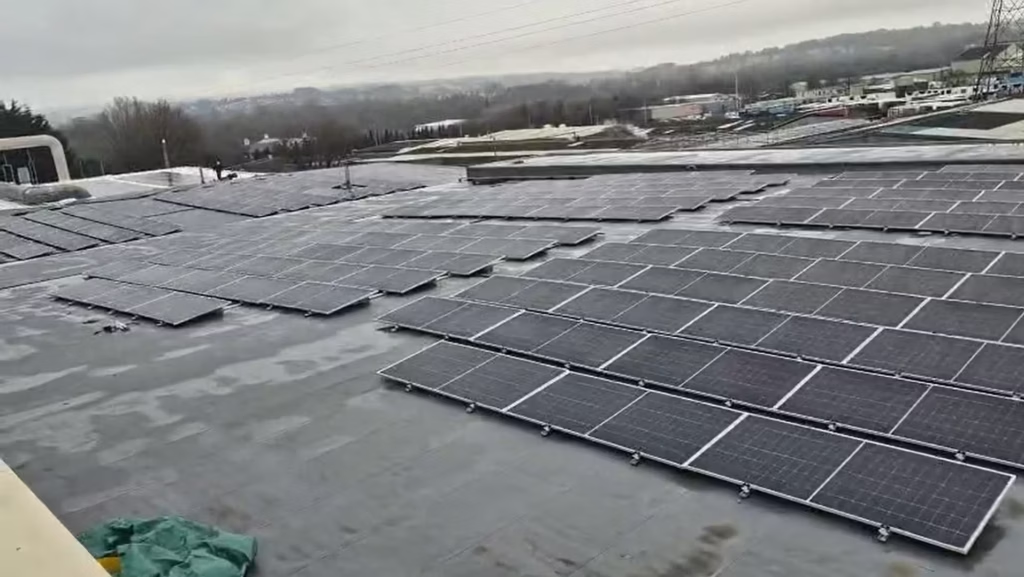
How Do Solar Panels Generate Electricity?
When sunlight hits a solar panel, it activates the photovoltaic cells, which creates a flow of electrical current. This is known as the photovoltaic effect. The energy produced is direct current (DC), but UK homes and businesses use alternating current (AC). That’s where an inverter comes in — a key part of any solar PV system — which converts the DC electricity into usable AC power for your appliances, lights, and equipment.
Even on cloudy days, solar panels continue to generate electricity, though at a reduced rate. In the UK, where daylight is available year-round, modern solar systems are designed to operate efficiently in our climate.
What Makes Up a Solar PV System?
A complete solar PV system includes more than just the panels themselves. You’ll also need an inverter, which sits alongside your fuse board or in a loft space, converting the electricity for everyday use. For those looking to maximise savings and independence, a solar battery can store excess energy generated during the day for use at night or during peak tariff periods.
Mounting systems fix the panels to your roof or ground space securely, while monitoring systems track your performance and usage. At McGuinness Renewables, we design each system around your specific layout, energy profile, and goals — whether you’re in a terraced home or managing a large commercial unit.
Connected to the Grid or Off-Grid?
Most UK installations remain connected to the National Grid. This means that when your solar system produces more electricity than you need, you can export the surplus back to the grid. Under the Smart Export Guarantee (SEG), energy suppliers pay you for every unit you export — a welcome bonus for households or businesses with variable usage.
Off-grid systems, while possible, are less common and typically require large battery capacity and backup systems. For most customers, staying grid-connected offers the best combination of reliability, flexibility, and return on investment.
What Happens to Surplus Power?
Excess electricity generated during sunny periods can either be stored in a battery or exported to the grid. With battery storage, you gain more control over how and when you use your energy. This is especially useful in the evening when panels aren’t generating, but your energy usage is often at its highest.
Exporting energy back to the grid is ideal for homes that are unoccupied during the day or businesses closed at weekends. The SEG scheme allows you to receive payments from your energy provider for unused electricity — helping your system pay for itself even faster.
Do Solar Panels Work in the UK?
Yes — and reliably so. Despite our often grey skies, the UK receives enough daylight to make solar power a viable energy source. Modern PV systems are designed to operate in diffuse light conditions, meaning they don't rely on direct sunlight alone.
A well-positioned system in the UK can generate thousands of kilowatt-hours of electricity per year, reducing your reliance on the grid and insulating you from energy price hikes. The key to consistent performance lies in expert design and installation — something we pride ourselves on at McGuinness Renewables.
Why It Matters
Switching to solar isn’t just about saving money, although the long-term reductions in energy bills can be substantial. It’s also about reducing your carbon footprint, adding value to your property, and gaining independence from the volatility of the energy market.
Whether you're a homeowner looking to lower your monthly outgoings or a business aiming to improve sustainability credentials, solar panels offer a smart, future-focused solution.
Start Your Solar Journey
At McGuinness Renewables, we’ve been helping homes and businesses across North Wales, Wrexham, and the wider UK make the move to clean energy for over 30 years. From design and installation to battery integration and SEG support, we’re with you every step of the way.
Ready to see how solar could work for your property?